
Study Costs in Australia 2026: 7 Smart Ways International Students Actually Save Thousands
Study Costs in Australia 2026: 7 Smart Ways to Save Thousands Without Compromising Your Education
You shortlisted the course. The university ticked every box. Then you opened a spreadsheet and started adding up study costs in Australia for 2026 — tuition, rent, OSHC, flights, food, transport — and the total made you pause. That moment is exactly where most students either give up or make expensive mistakes trying to cut the wrong things.
Here is what smart international students do differently: they reduce costs before they arrive, not after the money runs out. They choose the right city, the right course pathway, the right accommodation setup — and they apply for scholarships most students discover two weeks too late.
This guide gives you 7 strategies that actually work — realistic, visa-safe, and worth thousands of dollars over a two-year degree.
Where Study Costs in Australia 2026 Actually Hit You — and Which Ones You Can Control
Before you cut costs, you need to know what you're spending on. Many students focus only on tuition fees and forget the rest. In reality, your total budget includes several parts.
Here are the main expenses every international student should plan for:
- Tuition fees – your single biggest cost, varying by course and university
- Accommodation – often the largest ongoing monthly expense
- Food and groceries – easy to overspend without a plan
- Transport – buses, trains, trams or fuel
- Health cover (OSHC) – required for your student visa
- Visa and documentation – application fees, medicals, biometrics
- Course materials – books, software, tools or uniforms
- Emergency funds – for delays, repairs or unexpected bills
Some costs are fixed, like tuition and visa fees. Others — rent, food and transport — depend entirely on your decisions. That's where real savings happen.
Tip :- The Australian Government's official Cost of Living Calculator can give you a rough estimate based on your city and lifestyle. Use it as a starting point, not a final answer. (link - https://www.studyaustralia.gov.au/en/life-in-australia/living-and-education-costs )
The Course You Pick Directly Affects Your Total Study Cost in Australia — Here Is Why
Picking a course only because it's the cheapest is a common mistake. A poorly matched course can lead to course changes, wasted fees and even visa problems later. Instead, think about value. A well-chosen course saves money over time because you finish on schedule and gain real career benefits.
Compare study pathways
You don't always have to start with an expensive degree. Consider these options:
Diploma-to-degree pathway – lower upfront fees, and credits may transfer toward a bachelor's degree.
VET or TAFE courses – practical, skills-focused training that often costs less than university.
Packaged courses – combine English study, a diploma and a degree in stages, easing financial pressure.
Direct bachelor's degree – best if you have a clear professional goal and steady funding.
The smartest pathway is the one that fits your background, budget and long-term plan — not just the lowest price tag.
Scholarships Can Cut Your Study Costs in Australia by Thousands — But Only If You Apply in Time
Scholarships are one of the most powerful ways to reduce tuition fees. Many Australian universities and colleges offer them to international students based on academic merit, country of origin or chosen course.
Most scholarships don't cover full tuition — but even a partial reduction adds up to large savings across a two- or three-year program.
What to check before applying
Deadlines – many scholarships close before the intake begins
Coverage – does it apply to the full course or just the first year?
Renewal conditions – will you need to maintain certain grades?
Eligibility – nationality, course or campus-specific rules
Start your scholarship research the moment you shortlist universities. Waiting too long is the easiest way to lose free money.
Pick a More Affordable City
- Course quality and availability
- Part-time job opportunities
- Public transport access
- Long-term career prospects
Accommodation Is Your Biggest Study Cost in Australia After Tuition — Here Is How to Cut It
Smart accommodation choices
- Shared rental – splitting rent, internet and bills with housemates is often the most affordable option.
- Homestay – good for first-time students; sometimes includes meals.
- On-campus housing – convenient but often pricier.
- Private rental – maximum independence, but the highest cost.
Spend Less on Food and Daily Life
Easy ways to save every week
- Cook at home – plan weekly meals and shop with a list
- Cook with housemates – cheaper and less tiring
- Buy in bulk – stock up on staples like rice, lentils and pasta
- Pack lunches – avoid buying food between classes
Buy second-hand for setup costs
Part-Time Work Helps With Study Costs in Australia — But Only If You Manage It the Right Way
Plan Transport and Health Cover Carefully
Budget Your Study Costs in Australia Before You Land — Not After the Money Is Gone
(FAQs) Study costs in Australia 2026 :-
Q.1 Which is the cheapest city to study in Australia?
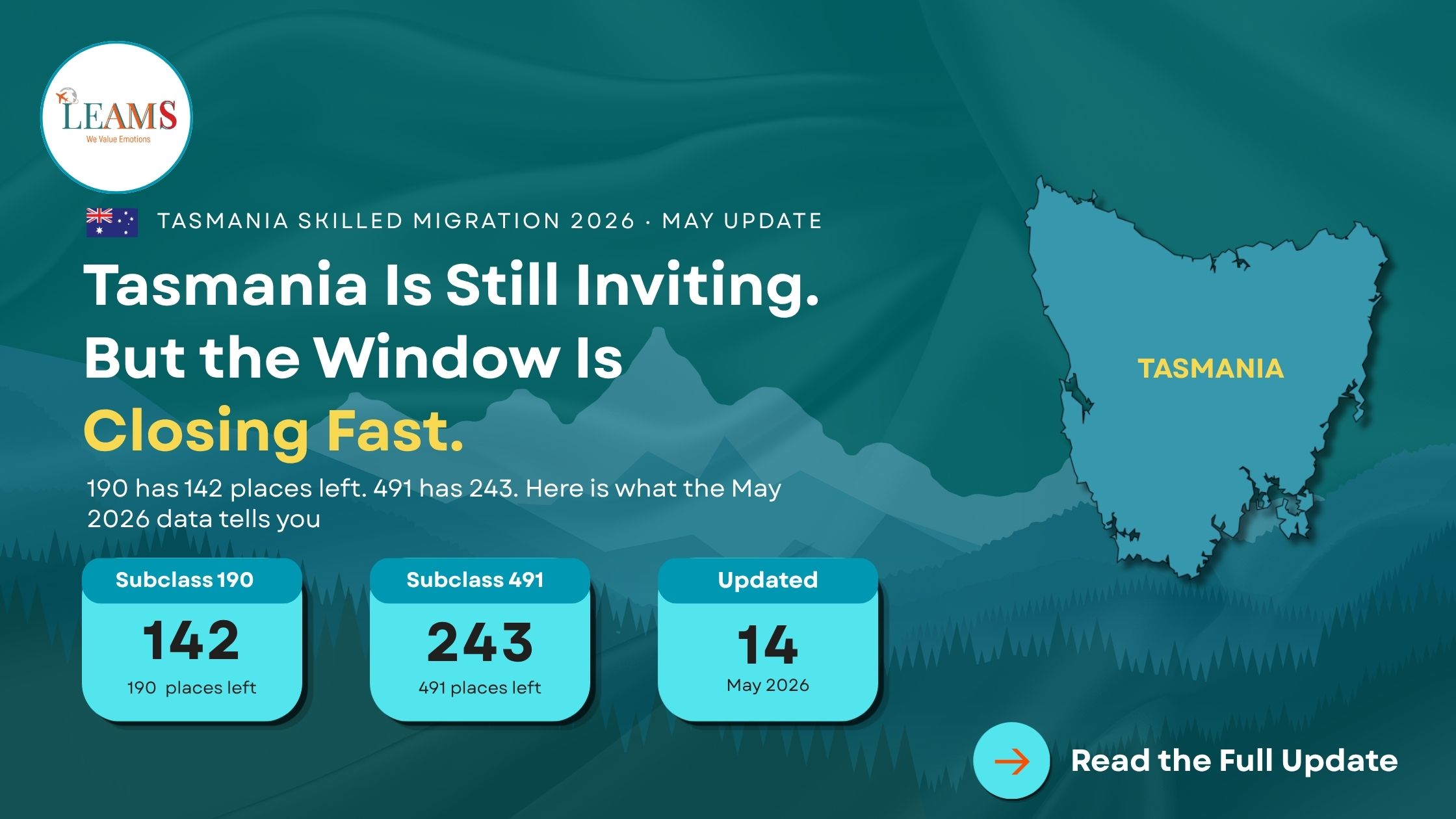
There's no single answer, but Adelaide, Perth, Hobart and several regional cities often have lower rent and living costs than Sydney or Melbourne.
Q.2 Can international students work while studying?
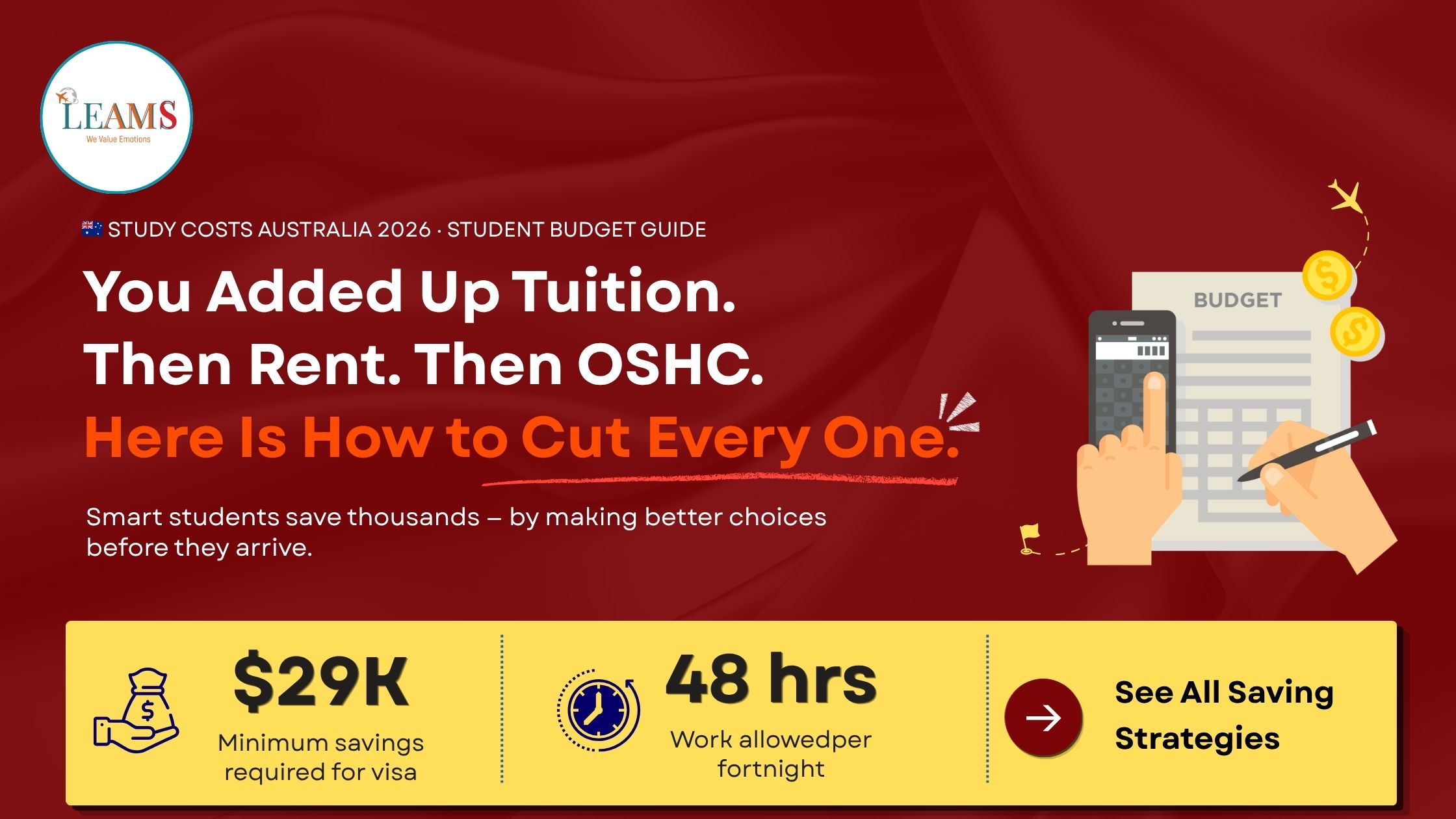
Yes. Student visa holders can generally work up to 48 hours per fortnight while their course is running. Always follow your visa conditions.
Q.3 Are scholarships easy to get for international students?
Scholarships are competitive but widely available. Many universities offer merit, course-based or country-specific awards. Apply early, as many close before the intake starts.
Q.4 Is shared accommodation really cheaper?
Usually yes — rent, electricity and internet are split among housemates. Just check location, safety and transport access before deciding.
Usually yes — rent, electricity and internet are split among housemates. Just check location, safety and transport access before deciding.
 Back to Home